 English
 Español
 العربية

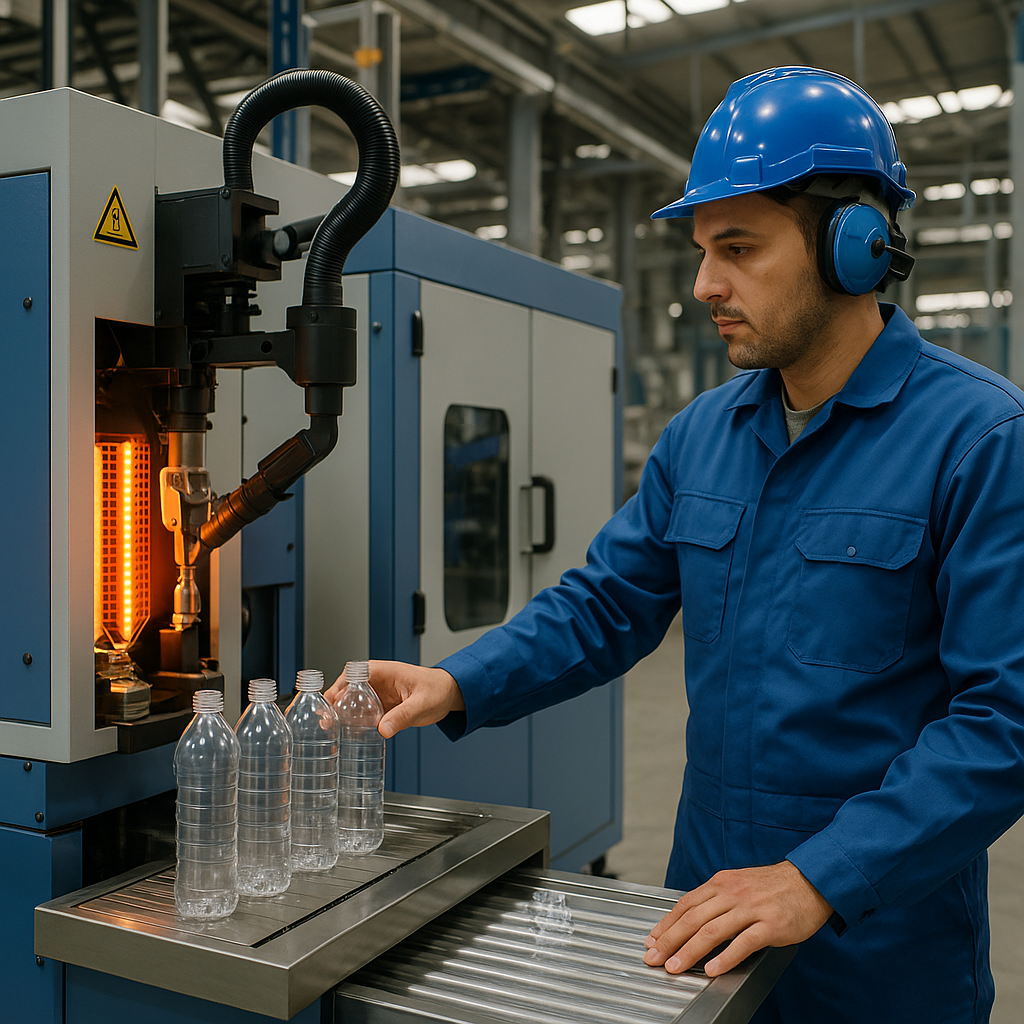
Many PET bottle factories notice a hidden problem after running high-speed production for several months:
Compressed air consumption gradually increases.
At first, the increase seems small.
But over time, factories begin facing:
higher electricity cost
unstable bottle blowing
lightweight bottle deformation
pressure fluctuation
inconsistent bottle quality
increasing reject rates
Most factories initially believe:
“The air compressor system is the problem.”
However, after analyzing many PET production lines, we found that excessive air consumption is usually caused by:
production system imbalance.
In modern PET manufacturing, energy-saving performance depends on much more than compressor efficiency.
One major hidden factor is:
air recovery instability.
During continuous high-speed production:
pressure response becomes inconsistent
airflow synchronization changes
bottle expansion timing fluctuates
As air recovery instability increases:
blowing efficiency decreases
compressed air waste rises
bottle wall thickness distribution becomes inconsistent
Especially during:
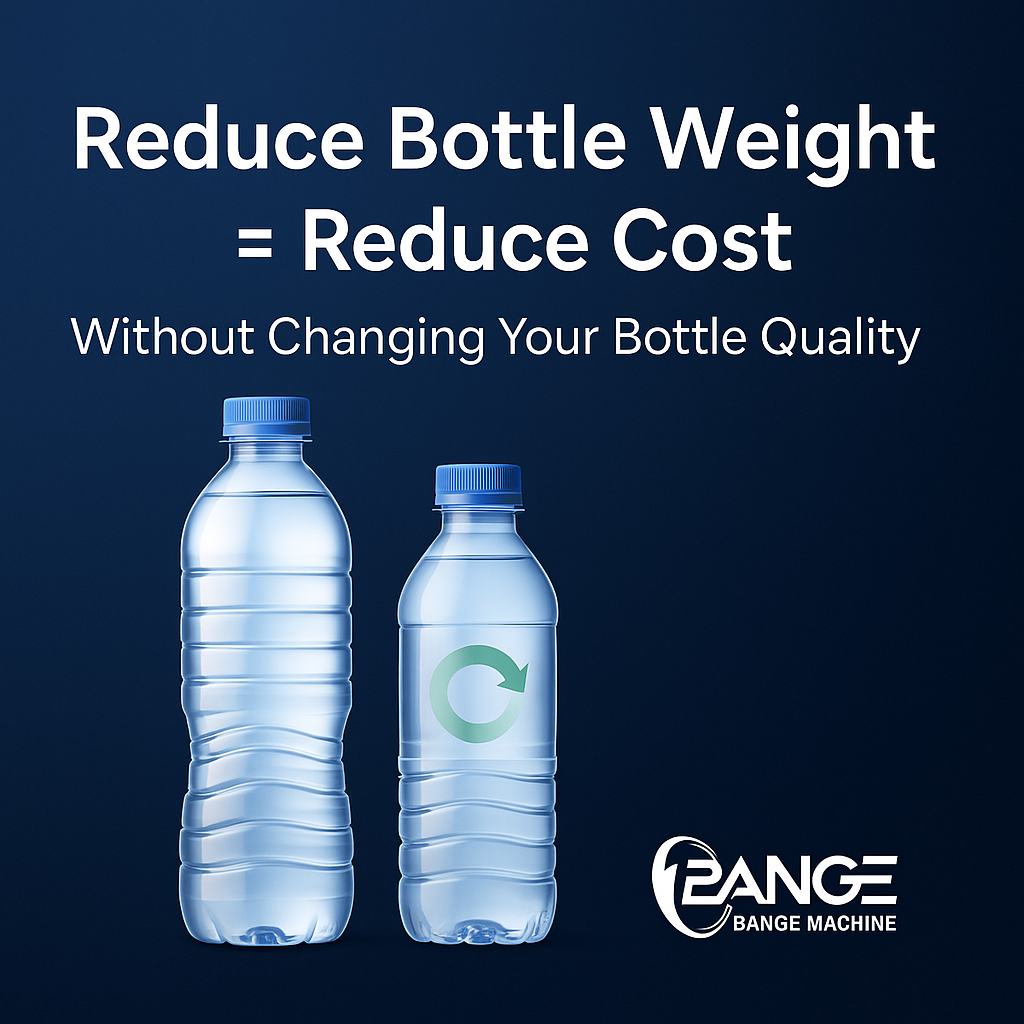
Lightweight Bottle Optimization
small airflow fluctuation can create large production instability.
Another common issue is:
transfer timing mismatch.
When bottle transfer synchronization becomes unstable:
bottle positioning changes
blowing timing shifts slightly
airflow utilization efficiency decreases
Many factories overlook this because the machine still “appears” to run normally.
But over time:
energy waste accumulates rapidly.
We also frequently observe:
cavity cooling imbalance.
When mold cavity temperatures become inconsistent:
bottle crystallization control changes
material distribution becomes unstable
blowing pressure compensation increases
As a result:
air consumption rises
reject rates increase
lightweight bottle stability decreases
Another hidden contributor is:
neck finish tolerance variation.
At high-speed production:
bottle gripping precision becomes critical
transfer accuracy affects airflow timing
unstable neck handling changes production rhythm
This creates:
unstable blowing cycles
pressure fluctuation
conveyor instability
Many factories attempt to solve these problems by:
increasing compressor capacity
raising blowing pressure
slowing production speed
But these are usually temporary solutions.
The real solution is:
Stable PET Production through full system coordination.
Modern PET energy-saving production depends on synchronization between:
✔ PET blow molding machine
✔ air recovery system
✔ mold cooling balance
✔ preform consistency
✔ transfer timing control
✔ neck finish precision
✔ lightweight bottle structure
—not isolated equipment upgrades.
This is why:
Mold-Machine Compatibility
has become increasingly important in modern PET factories.
At BANGEMACHINE, we focus on:
Stable PET Production
Lightweight Bottle Optimization
Mold-Machine Compatibility
PET Troubleshooting
Energy Saving
High-Speed PET Production
Because in real factory environments:
stable system coordination creates true long-term energy savings.
Factories that only focus on machine speed often experience:
increasing air consumption
unstable lightweight bottles
higher reject rates
rising operating costs
But factories that optimize production coordination achieve:
✔ lower air consumption
✔ stable bottle quality
✔ lower reject rates
✔ improved production efficiency
✔ long-term stable profitability
In PET manufacturing: